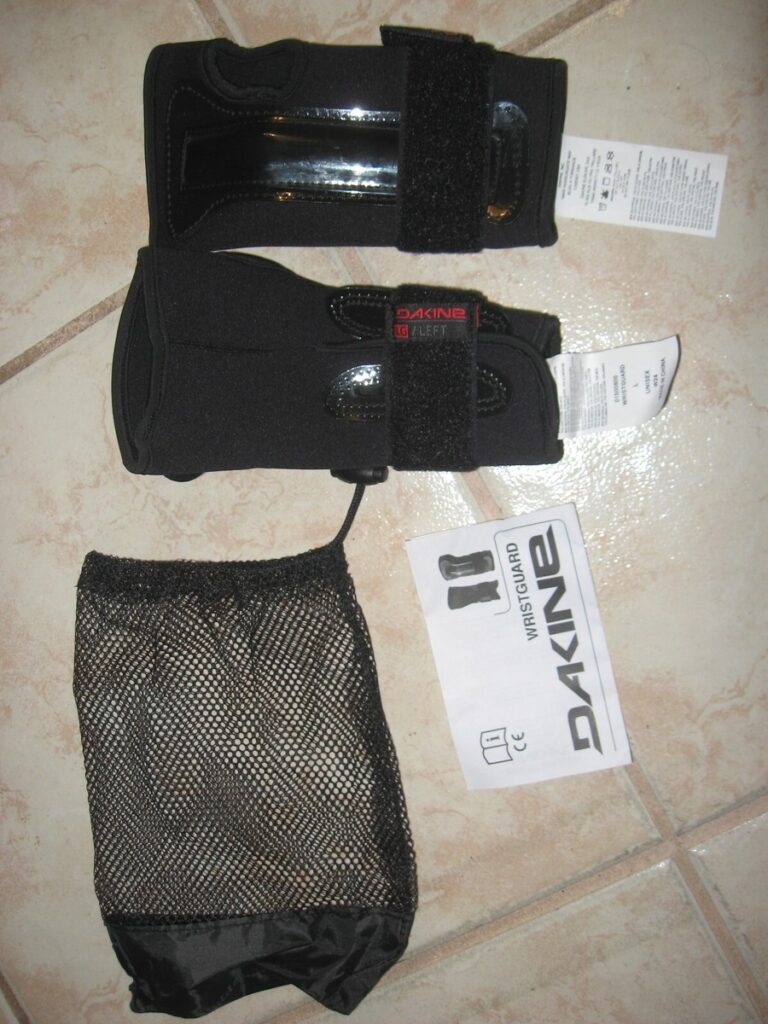
Dakine Wrist Guards are one of the few wrist guards that actually feel “snowboard-native.” Most wrist guards you’ll find are built for skating or BMX—great in a skatepark, but bulky under winter gloves, awkward at the cuff, and annoying enough that people stop wearing them halfway through the day.
Snowboarding is different. Falls are faster, snow can be concrete-hard, and the most common slam pattern is brutal: toe-side edge catch → hands shoot out → wrist gets loaded. If you ride park, lap rope tows, or you’re in progression mode (falling a lot on purpose), the Dakine Wrist Guard is a smart, low-profile way to keep your wrists from being the weak link.
Jump to: Quick Verdict · Durability · Comfort & Fit · Toe-Side Falls · Tow Rope Chaos · Other Wrist Guards · Real-Life Usage · Related Gear · FAQ
Dakine Wrist Guard Review
Wrist guards are not a style piece. They’re injury economics. A wrist sprain can wipe out a month of riding. A fracture can wipe out a season. The problem is that a lot of guards are so bulky that they don’t work with your glove/mitten setup—so people ditch them.
The Dakine Wrist Guard solves the practical problem: it’s low-profile enough to work under most snowboard gloves and mittens, while still providing structure to limit the wrist positions that cause the worst damage when you fall hands-first.
Quick Verdict (Who These Are For)
- Best for: snowboarders who want low-profile wrist guards that fit under gloves/mittens for park laps, progression days, and rope tow sessions.
- Not ideal for: riders who want the absolute maximum rigidity and don’t care about bulk (those riders often end up in bigger, stiffer guards).
- Big advantage: glove/mitten compatibility—you’re more likely to keep them on all day, which is the whole point.
- Protection focus: reducing the worst outcomes from toe-side forward falls and awkward, off-axis wipeouts.
1) Protection and Durability
Mechanically, wrist guards work because they limit extreme wrist extension (and other ugly positions) when you put your hands out during a fall. That doesn’t make you invincible, but it does reduce the chance that one routine slam turns into a clinic visit.
On durability: the Dakine Wrist Guard is built for cold temps, repeated impacts, and the reality of being jammed under glove cuffs. For a piece of gear that lives in a high-abuse zone, it holds up well. If you’re doing park laps and eating it regularly, “lasting” matters—padding that shifts or straps that blow out defeats the purpose.
2) Comfort & Fit (Why Low-Profile Wins on Snow)
This is where a snowboard-specific wrist guard earns its keep. Skate/BMX wrist guards often work fine… until you add a thick glove cuff and insulation. Suddenly everything stacks up, your hand feels cramped, and your gloves don’t sit right. That’s when riders “temporarily” take them off—and then forget to put them back on.
The Dakine Wrist Guard stays low-profile so your gloves/mittens are more likely to fit naturally. That translates into a simple outcome: you actually wear them from first chair to last run.
Fit checklist (practical):
- Snug enough that the guard doesn’t rotate when you flex your wrist.
- Not so tight that your fingers tingle or your hand gets cold/numb.
- Put your gloves/mittens on over the guard and simulate a grab—if it feels like a fight, adjust straps or consider sizing up.
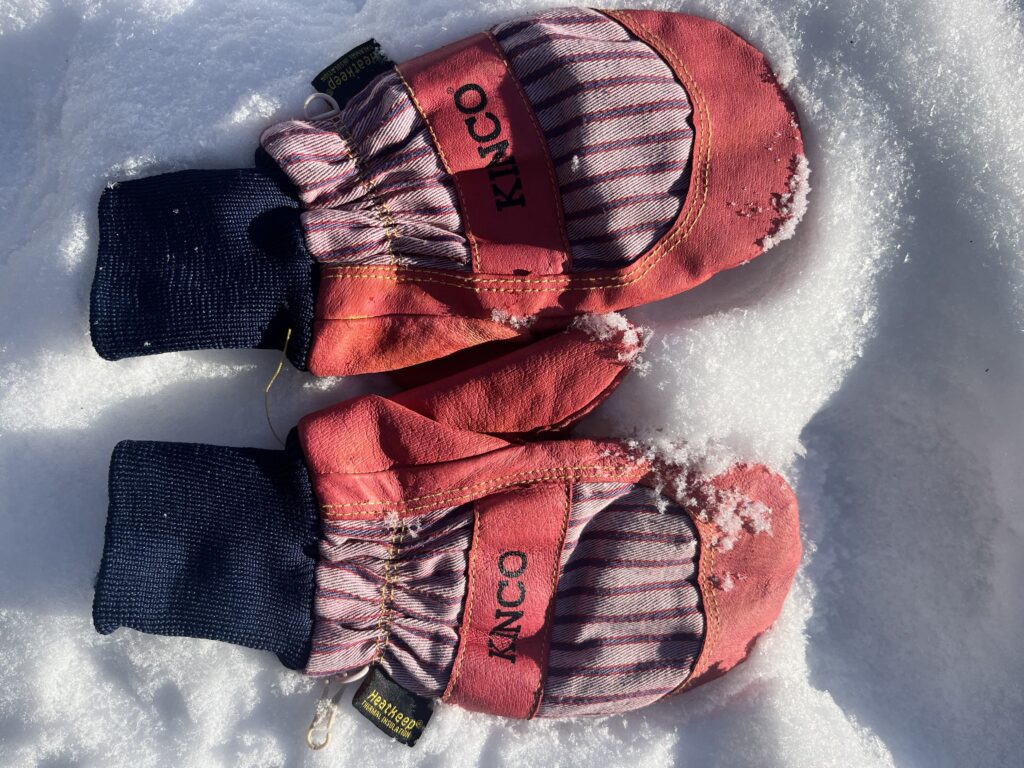
“This is the first wrist guard I can actually wear with my Kincos on” — Midwest Park Rat
3) Toe-Side Falls: The Wrist-Destruction Classic
If you snowboard long enough, you’ll have the same fall in a hundred different outfits: you’re riding toe-side, catch an edge, your chest drops forward, and your hands instinctively go out to save your face. That is exactly the type of fall where wrist guards are most valuable.
On icy Midwest days, toe-side slams are amplified—less give, faster rebound, and more energy going straight into your hands. The Dakine Wrist Guard helps keep the wrist from folding into the worst angles, which reduces the likelihood that a normal slam becomes an injury event.
4) Tow Rope Chaos: When You Get Taken Out (Not Your Fault)
Rope tows are efficient, but they’re also a live-action physics lab. The most common problem isn’t even you—it’s someone in front of you. A little kid grabs the rope, gets yanked off balance, and suddenly you’re dealing with a chain reaction. You either bail or you get dragged into an awkward fall that usually ends hands-first because you’re trying to protect your face and keep your board from scissoring out.
This is one of the most underrated use-cases for wrist guards: unplanned, off-axis wipeouts. Tow rope falls are weird falls. The Dakine guards are low-profile enough that they don’t interfere with grip and control, but they still provide meaningful wrist support when you get surprise-clipped.
The Downside of Other Wrist Guards (Skate/BMX + Generic Options)
Generic wrist guards can work, but snowboarding adds constraints that skating doesn’t:
- Bulk under gloves: if your mitten doesn’t fit cleanly, you’ll be annoyed all day.
- Cuff interference: stacked materials create pressure points and weird restriction.
- Comfort becomes compliance: the best wrist guard is the one you actually keep on.
The Dakine Wrist Guard’s advantage is not that it’s the stiffest guard on Earth—it’s that it offers meaningful protection in a form factor that works with real snowboard kits.
Real-Life Usage: Park Laps, Hardpack, and Progression Days
These are made for the days where you’re actually trying to improve: learning switch, learning jumps, slipping out on rail approaches, and catching edges at speeds that feel “fine” until they don’t. Wrist guards won’t stop you from falling. They make the cost of falling lower—which encourages commitment, repetition, and faster progression.
In a professional sense, it’s a risk management play: low-cost protective gear that materially reduces the probability of a high-cost outcome (lost riding time). In a rider sense: it’s what lets you keep sending.
“Honestly man, I need my wrists so I can go to work. I’m sick of blowing them out snowboarding, it makes welding hard” — Real Rider Feedback
Related Protective Gear & Accessories
| Product | Type | Best For | Buy |
|---|---|---|---|
| Dakine Wrist Guard | Wrist Guard | Low-profile snowboard wrist protection under gloves/mittens | Buy Now |
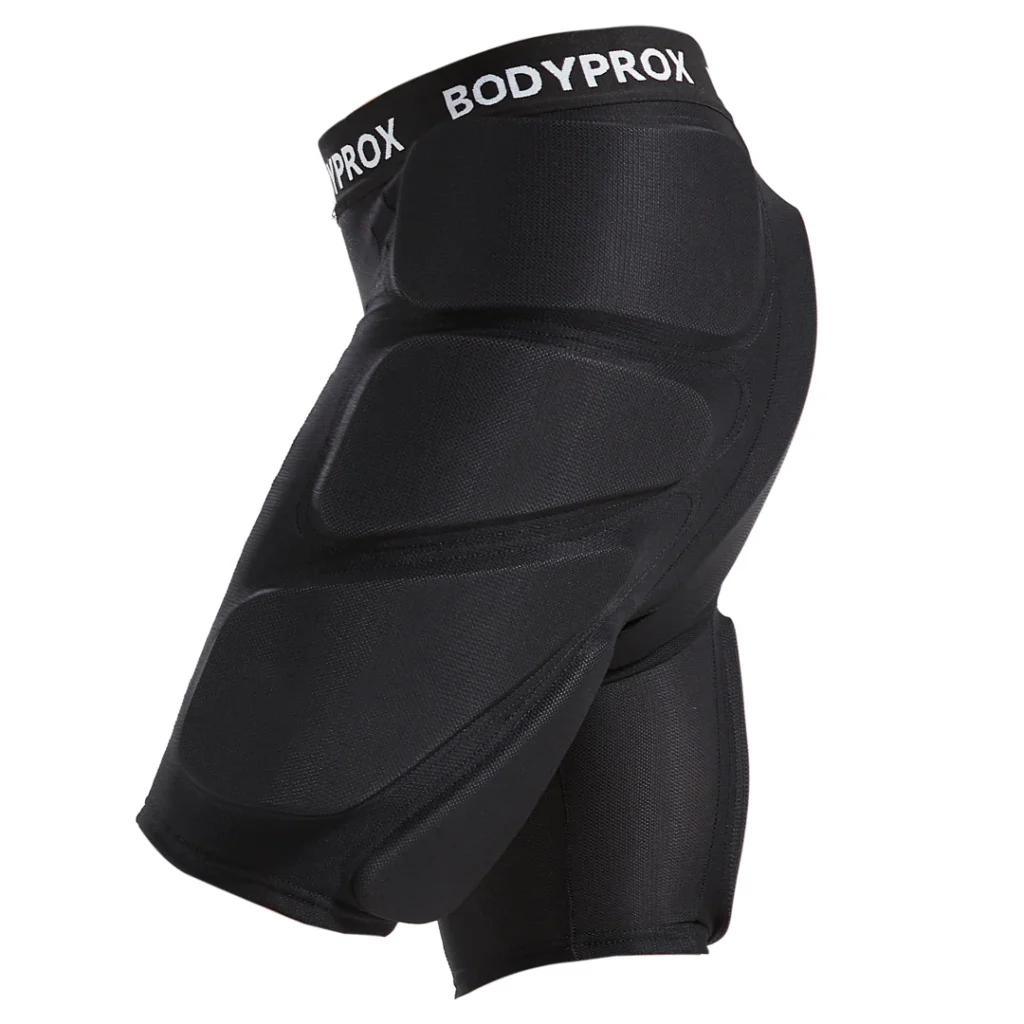
| Bodyprox Padded Shorts | Impact Shorts | Hip + tailbone protection for park progression | Buy Now |
| Kinco Mittens (Tow Rope Favorite) | Mittens | Durability for rope tows + park abuse | Read Review |
FAQ: Dakine Wrist Guard
Are wrist guards worth it for snowboarding?
Yes—especially for beginners, park riders, and icy conditions. Most serious wrist injuries happen when you fall forward and put your hands out. Wrist guards reduce the risk that a routine slam becomes a season-ending injury.
Do Dakine wrist guards fit under mittens and gloves?
That’s the main reason snowboarders buy them. The Dakine Wrist Guard is low-profile compared to many skate/BMX guards, making it far more compatible with typical snowboard gloves and mittens.
Why not just buy cheap skateboard or BMX wrist guards?
Many skate/BMX guards are bulky and create glove/cuff problems—pressure points, cramped hands, and general annoyance. If a guard is uncomfortable under your winter kit, you won’t wear it consistently, which defeats the purpose.
How tight should wrist guards be?
Snug enough that the guard doesn’t rotate, but not so tight your fingers tingle or your hand gets numb/cold. Comfort matters because compliance matters—you need to keep them on for the falls you don’t see coming.
Do wrist guards help with toe-side edge catches?
Yes. Toe-side forward falls are one of the most common wrist-injury patterns in snowboarding. Wrist guards help limit the wrist angles that cause the worst sprains and fractures when your hands hit first.
If you’re building a full “crash insurance” setup, pair these with my Bodyprox Padded Shorts Review for hip/tailbone protection. For rope tow riders, my Kinco Mittens Review covers the mitts that survive abuse.