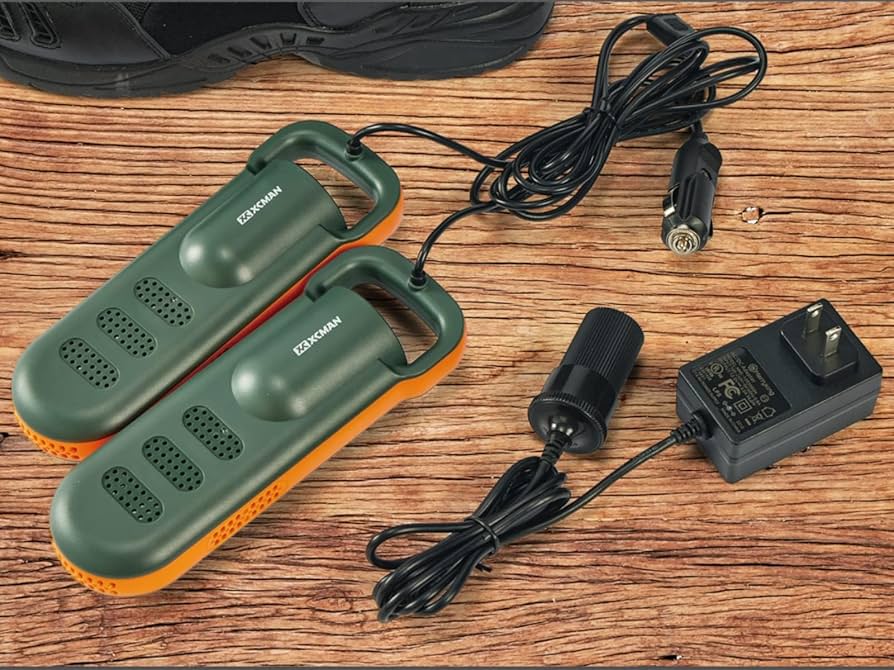
Top 3 12V Ski & Snowboard Boot Dryers for 2026 (Terrain Park Car-Adapter Picks)
Jump to: Durability · Comfort & Fit · Park & All-Mountain · Downsides · Real-Life Usage · Related Gear · FAQ
Introduction
Terrain park days are a liner sweat-test: rope tow marathons, hike-to rails, slushy spring landings, and that “one more lap” that turns your boots into mini swamps. Starting the next session with damp liners is a fast track to cold feet, zero pop, and bailing early.
Quick verdict (2026): If you drive to ride, a 12V car-adapter boot dryer is the park-rat cheat code. Plug it into your car on the way home (and/or the way back to the hill), and your liners are warmer, less damp, and way less cursed by day two.
Who this is for: skiers and snowboarders who lap park often, sweat in their boots, and do road-trip / weekend missions where drying liners overnight isn’t always guaranteed.
Who this is NOT for: anyone expecting a 12V unit to fully resurrect soaked liners in a 12-minute commute (12V helps a ton, but it’s not magic).
Top 3 picks (by price point):
Budget: a compact 12V travel dryer that’s simple and hard to break.
Mid: a 12V + wall-plug travel dryer that’s faster and more versatile for trips.
Premium: a 12V travel system that leans into odor-control and repeat-day performance for heavy-use riders.
1. Durability (Because This Lives in Your Trunk All Winter)
Park riders don’t gently place gear into a climate-controlled showroom. Your dryer gets tossed into the trunk with boards, shovels, and mystery snacks. Cords get yanked. Plastic gets stepped on. And if it can’t survive “parking-lot chaos,” it’s not a real 2026 pick.
Budget Pick: PEET Go! Dryer (12V travel-friendly)
This category wins because it’s simple: fewer moving parts, less drama. If you mostly need to take liners from “damp and cold” to “warm-ish and rideable,” a compact 12V travel dryer is the easiest, most beater-proof option for daily park laps.
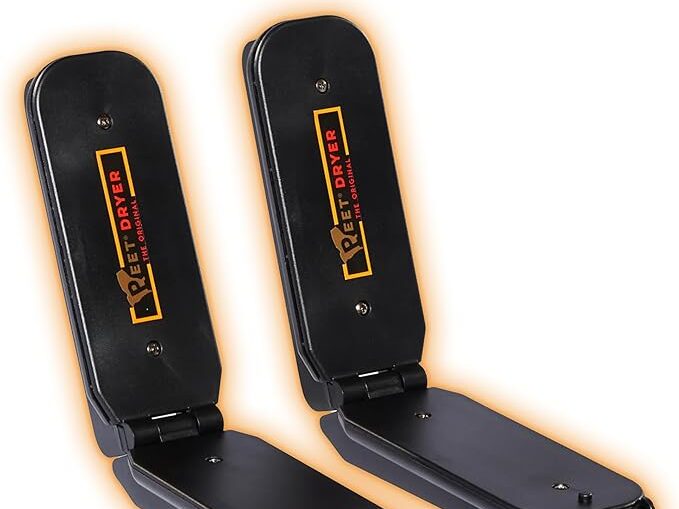
Shop PEET Go! 12V options on Amazon
Mid Pick: DryGuy Travel Dry DX (often sold as travel, sometimes bundled with car/wall power)
Mid-tier travel dryers usually make sense for the rider who does repeat-day park missions. Think weekend trips, hotel nights, and the classic “my boots never fully dry in the bag.” This style is built for packability and frequent use—exactly what you want if you’re doing park two days in a row.
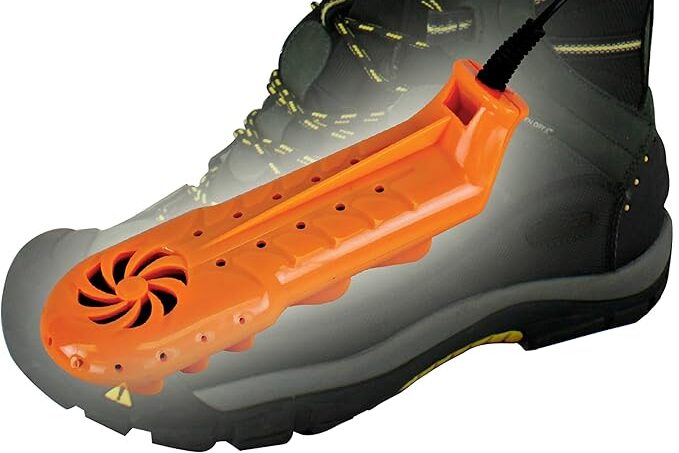
Shop DryGuy Travel Dry DX on Amazon
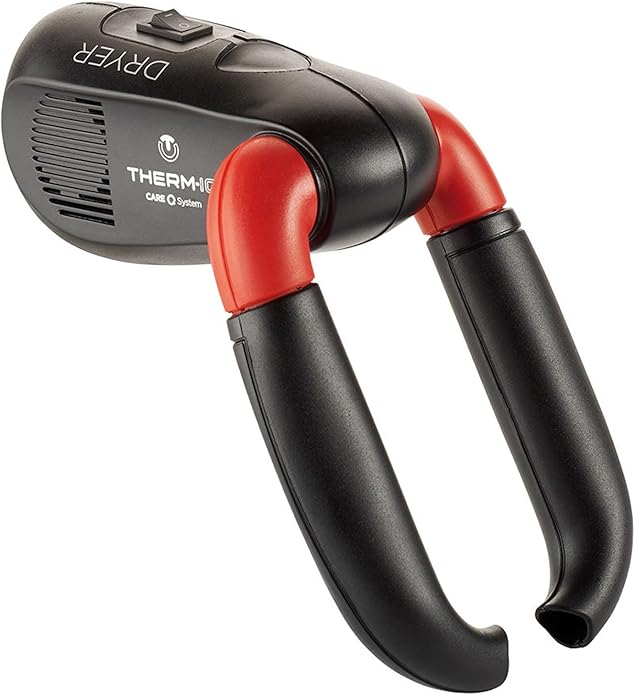
Premium Pick: Therm-ic Refresher 12V (travel system vibes)
Premium is for riders who sweat hard, ride a ton, and hate boot funk with their whole soul. These tend to be more “system” than “gadget”—good for keeping liners consistently better between park sessions, especially during spring when everything is damp all the time.
Shop Therm-ic Refresher 12V on Amazon
)
“Dry-ish liners = warmer feet = more laps. Wet liners = numb toes = ‘I’m done’ by noon.” — every park rider after a rope tow session
2. Comfort & Fit (How Well It Actually Works With Your Boots)
This is the part people skip, then regret: a dryer can be “good” but still be annoying in real life. Park reality is gloves on, cold hands, cramped car, and you’re trying to pack up while the crew is yelling “last lap.” The best 12V boot dryer is the one you’ll actually use every session.
Budget (simple 12V travel dryer): usually the easiest to live with—plug in, set your boots over it, forget it. Great if your liners are mostly damp from park sweat rather than fully drenched.
Mid (travel dryer with more airflow): better when you’re doing repeat-day riding and you want liners to feel noticeably less wet by morning. Also clutch for trips where you can plug in at the hotel too.
Premium (hygiene-focused travel system): best when your liners get funky fast and you want something that feels consistent all season—especially during warm spring park laps when everything stays wet.
3. Terrain Park & All-Mountain (Why 12V is the Move in 2026)
Park days aren’t just “ride, go home.” It’s ride → swap gloves → tweak bindings → eat something → ride again. And your boots are along for the whole chaos. A 12V car-adapter dryer is perfect because it fits the actual park rhythm:
Morning lot warm-up: warming liners on the drive in can make first chair feel way less brutal.
Between sessions: if you’re doing night laps or a weekend mission, anything that moves you from “wet” to “less wet” is a win.
Spring park survival: slush days are peak fun and peak moisture—your boots need help or they’ll stay damp all season.
Why each price point works for park riders:
Budget: best for the everyday local park rider—simple, reliable, and good enough to make your boots feel less gross tomorrow.
Mid: best for the weekend warrior doing repeat-day park trips—more effective when liners are consistently damp from back-to-back sessions.
Premium: best for the heavy-use rider who sweats a ton and wants less odor build-up across the whole season.
Downsides (Let’s Be Real About 12V Power)
12V boot dryers are insane for convenience, but the tradeoff is power. If your liners are fully soaked from slush and you’ve got a 15-minute drive home, you’re not getting “bone dry.” You’re getting “way more rideable than before,” which is still a massive park upgrade.
Also: cords can be annoying, some setups are better for boots than gloves, and you should be smart about not draining your car battery by running anything too long with the engine off. Park logic: convenience wins, but use your brain.
Real-Life Usage (How Park Riders Actually Use 12V Boot Dryers)
Post-session drive home: plug the dryer into the car, crack a window if your car turns into a sauna, and let it start pulling moisture out while you replay clips and talk trash about who “almost had it.”
Before the next session: if you can, run it on the drive back to the hill too. Warm liners make you feel way more dialed on your first park lap instead of riding stiff and frozen.
Weekend trips: mid/premium travel setups shine here—car power on the drive, wall power at the hotel, repeat. That’s how you keep day two from feeling like a punishment.
Related Gear (Comparison Table, Accessories, Alternatives)
| PEET Go! (12V travel) | Budget | Simple, quiet, and perfect for daily park “damp liner” life |
| DryGuy Travel Dry DX (travel) | Mid | Better for repeat-day trips when boots stay damp session after session |
| Therm-ic Refresher 12V | Premium | Great for heavy-use riders chasing “dry + less odor” all season |
| DryGuy Force Dry DX | Alt | Home-power option if you want faster overnight drying |
| PEET Original | Alt | Quiet, set-and-forget home setup for daily riders |
| 12V Power Inverter | Hack | If you already own an AC dryer and want car power |
- Odor absorbers (save your boot bag from spring-slush stank)
- Dryer extension tubes (more reach into taller boots)
- Microfiber towel (wipe liners/footbeds after sweaty park laps)
- Boot deodorizer (for when airing out isn’t enough)
- Merino socks (dry feet = better park days)
Premium alternatives (if 12V isn’t required):
DryGuy Force Dry DX ·
PEET Original Boot Dryer ·
Therm-ic Refresher (wall/USB style options)
FAQ
Do 12V boot dryers actually work for ski and snowboard boots?
Yes—especially for warming and taking liners from “damp” to “less damp.” For terrain park riders, that’s often the difference between comfy day two and numb-toe misery. If your liners are fully soaked, expect improvement—not miracles—unless you have longer run time (drive + overnight).
Which is the best budget 12V boot dryer for 2026?
A compact travel dryer like PEET Go! (12V travel) is a strong budget move: simple, quiet, and perfect for the everyday park rider who just wants liners that don’t start the day cold and soggy.
Park-specific: Will this help after rope tow laps and hike-to rails?
Absolutely. Rope tows and hike-to features are sweat machines. Even if your boots aren’t “wet” from snow, the liner moisture from sweating builds up fast. Running a 12V dryer on the drive home helps keep that moisture from turning into next-day cold feet.
Park-specific: Best move for slushy spring park days?
Run the dryer after the session while you drive, then air your boots out at home (pull liners/footbeds if you can). Spring slush keeps everything damp, so consistency matters more than one “big dry.” Add odor absorbers and your bag won’t smell like a science experiment.
Is it safe for heat-molded liners?
Generally, lower/controlled heat is the safer lane. Avoid anything that blasts high heat for long periods, especially if you’re unsure about your liner’s tolerance. If you’re cautious, start with shorter runs and focus on airflow and warmth—not “cooking” the liner.
Can I run a 12V boot dryer with the car off?
It depends on your car and how long you run it. For most riders, it’s smarter to run it while the engine is on (driving) rather than draining your battery in the parking lot. If you want longer runtime without worrying, consider a travel unit you can plug in at home/hotel too.
Do these work for gloves too?
Some setups handle gloves better than others. If glove drying is a priority (rope tow days = damp gloves), look for systems marketed for boots/gloves, and consider adding a dedicated glove dryer setup if your hands are always soaked.
What’s the best way to pack and dry so it’s not chaotic?
Park-rat routine: wipe liners/footbeds quickly with a microfiber towel, run the 12V dryer on the drive, then open the boots at home so moisture can actually escape. Consistency beats panic.